Companion Herbs: Grow Stronger Healthier Plants
Companion Herbs: Grow Stronger, Healthier Plants
Companion planting is a gardening technique that involves planting certain plants together to benefit each other. This can be done with vegetables, flowers, and herbs. When it comes to herbs, there are a number of different pairings that can help to improve the growth, flavor, and pest resistance of your plants.
In this blog post, we will discuss some of the best companion herbs for each other. We will also provide some tips on how to use companion planting to create a healthy and productive herb garden.
Benefits of Companion Planting
There are many benefits to companion planting with herbs. Some of the most common benefits include:
- Increased growth and productivity: Companion planting can help to improve the growth and productivity of your herbs. This is because the plants can benefit from each other's natural pest repellents, fertilizers, and water-retention properties.
- Improved flavor: The flavor of herbs can also be improved by companion planting. This is because the plants can share their essential oils and other compounds, which can enhance the flavor of each other's leaves.
- Reduced pest and disease problems: Companion planting can also help to reduce pest and disease problems in your herb garden. This is because some herbs can repel or attract certain pests, which can help to keep your plants healthy.
- Increased biodiversity: Companion planting can also help to increase the biodiversity of your garden. This is because you will be planting a variety of different plants, which will attract a wider variety of beneficial insects and animals.
Some of the Best Companion Herbs
There are many different companion herbs that you can plant together. Here are a few of the most common and beneficial pairings:
- Basil and tomatoes: Basil is a natural pest repellent for tomatoes, and it can also improve the flavor of the tomatoes.
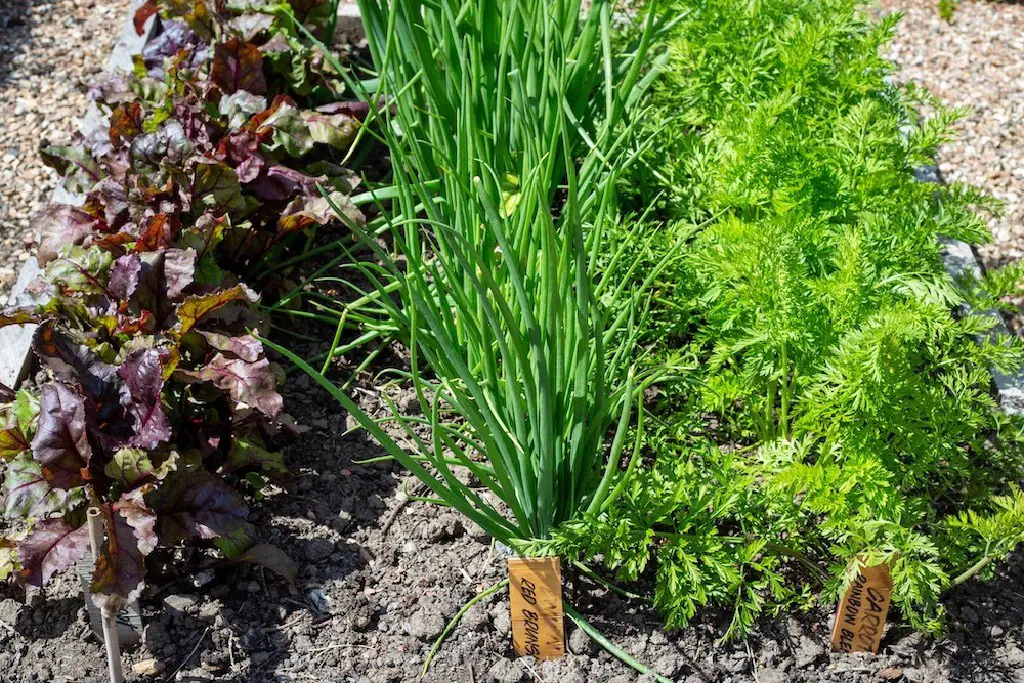
- Chives and carrots: Chives can repel carrot fly, and they can also improve the flavor of carrots.
- Cilantro and beans: Cilantro can attract beneficial insects that help to control pests, and it can also improve the flavor of beans.

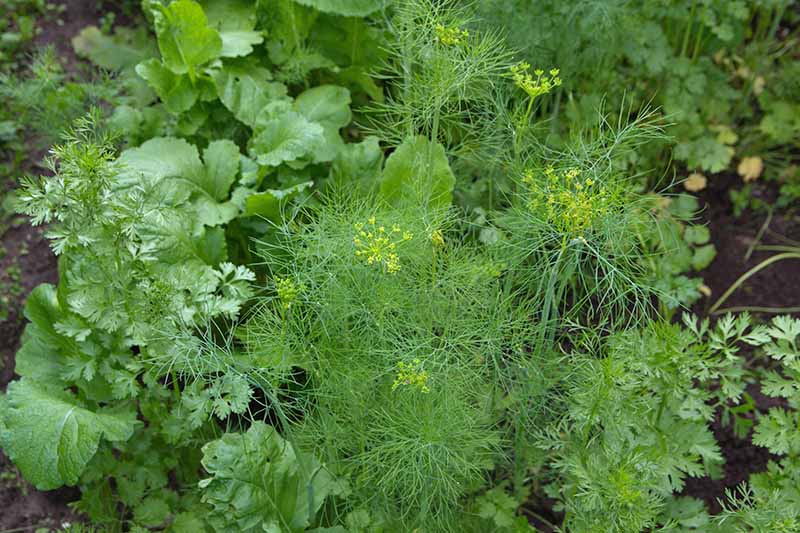
- Dill and cabbage: Dill can repel cabbage moths and other pests, and it can also improve the flavor of cabbage.
- Lavender and roses: Lavender can repel aphids and other pests, and it can also improve the flavor of roses.
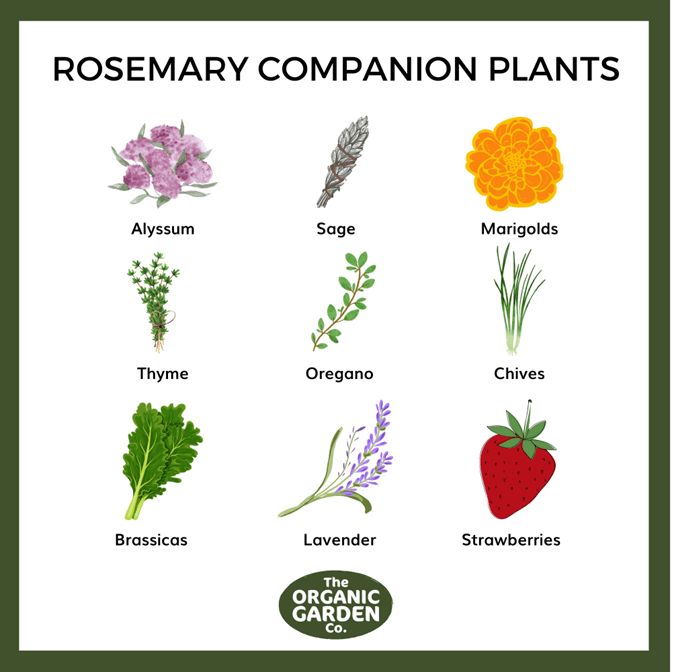
- Oregano and rosemary: Oregano and rosemary can help to repel pests, and they can also improve the flavor of each other's leaves.
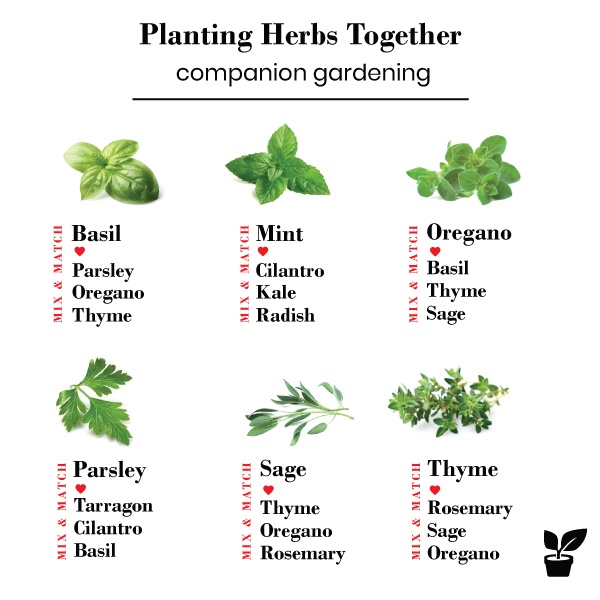
- Parsley and sage: Parsley and sage can help to attract beneficial insects that help to control pests, and they can also improve the flavor of each other's leaves.
Tips for Companion Planting with Herbs
When companion planting with herbs, there are a few things to keep in mind:
- Consider the plants' needs. Make sure that the plants you are planting have similar needs for sunlight, water, and soil type.
- Plant the herbs in a way that they will benefit each other. For example, plant basil near tomatoes to repel pests, or plant chives near carrots to improve the flavor of the carrots.
- Experiment. There are many different companion herb pairings that you can try. Experiment to see what works best in your garden.
Conclusion
Companion planting is a great way to improve the growth, flavor, and pest resistance of your herb garden. By planting the right herbs together, you can create a healthy and productive garden that will be a source of enjoyment for you for years to come.
Are you looking for ways to improve your garden's productivity and health? If so, you may want to consider using companion herbs. Companion herbs are plants that benefit each other when they are planted together. For example, some herbs can repel pests, while others can attract beneficial insects. By planting companion herbs together, you can create a thriving ecosystem in your garden that will help your plants grow strong and healthy.
If you're interested in learning more about companion herbs, I recommend visiting Gardenia Inspiration. This website has a wealth of information on the topic, including lists of compatible herbs, tips for planting companion herbs, and recipes for using companion herbs in cooking.
FAQ of companion herbs
Q: What are companion herbs?
A: Companion herbs are plants that are grown together because they benefit each other in some way. This can be by attracting beneficial insects, repelling pests, improving the flavor of each other's crops, or simply by sharing the same growing conditions.
Q: What are some good companion herbs?
A: Some good companion herbs include:
- Basil and tomatoes: Basil helps to deter aphids and other pests from tomatoes, and the two plants also complement each other's flavors.
- Chives and roses: Chives help to repel aphids and other pests from roses, and they also help to improve the drainage of the soil around the roses.
- Lavender and carrots: Lavender helps to repel carrot flies from carrots, and the two plants also complement each other's flavors.
- Mint and strawberries: Mint helps to deter slugs and snails from strawberries, and the two plants also complement each other's flavors.
- Oregano and beans: Oregano helps to deter bean beetles from beans, and the two plants also complement each other's flavors.
Q: What are some herbs that should not be planted together?
A: Some herbs that should not be planted together include:
- Fennel and cilantro: These two herbs are incredibly competitive, so they will not do well if planted together.
- Rue, sage, and basil: These three herbs can all damage each other by inhibiting each other's growth.
- Dill and lavender: Dill prefers acidic soil, while lavender prefers alkaline soil. These two herbs will not do well if planted together.
Q: How do I know which herbs to plant together?
A: There are a few different ways to know which herbs to plant together. One way is to consult a companion planting chart. These charts list which herbs are compatible with each other. Another way to know which herbs to plant together is to experiment. Plant different herbs together and see how they interact.
Q: What are the benefits of companion planting?
A: There are many benefits to companion planting. Some of the benefits include:
- Increased crop yields
- Improved flavor of crops
- Reduced pest problems
- Improved soil health
- Increased biodiversity
Image of companion herbs
5 different images of companion herbs from Pinterest:
- Basil and tomatoes: Basil is a natural pest repellent that can help to keep tomato hornworms and other pests away from tomatoes.
- Chives and roses: Chives help to repel aphids, spider mites, and other pests that can damage roses.

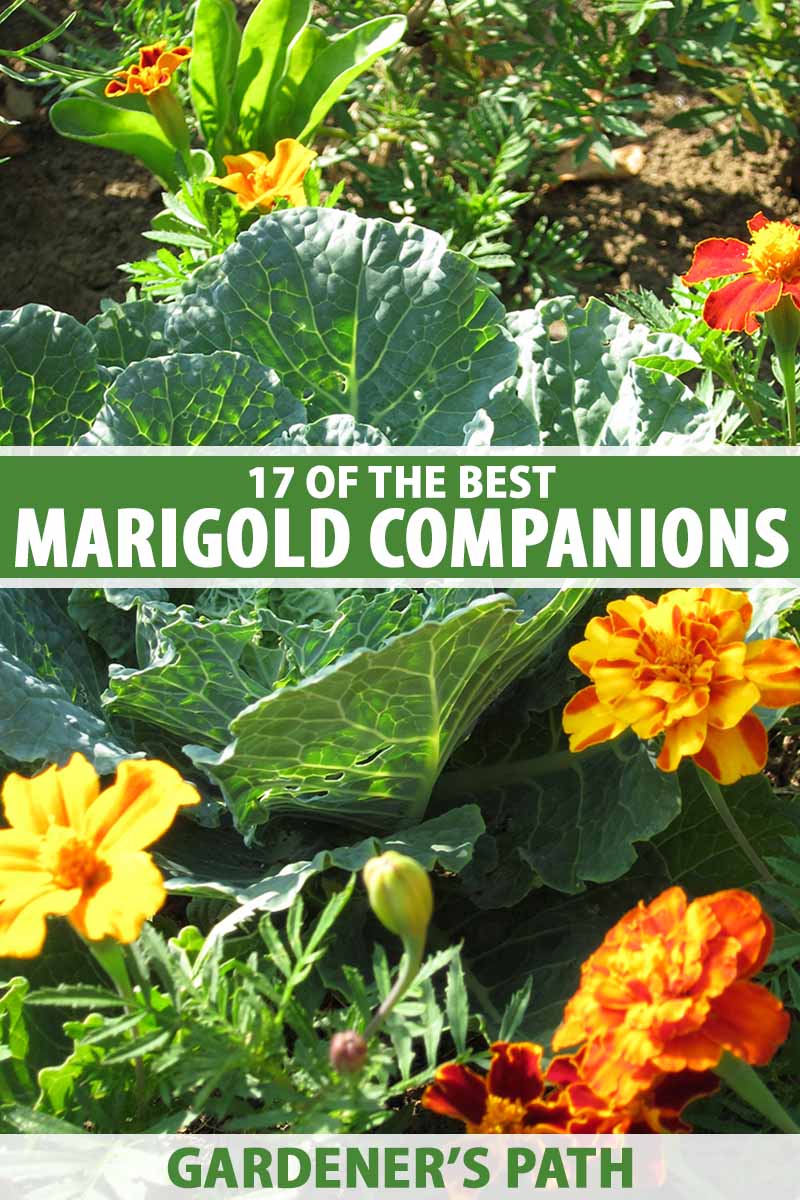
- Marigolds and vegetables: Marigolds are a popular companion plant for vegetables because they help to repel nematodes, which can damage roots.
- Lavender and mint: Lavender and mint are both aromatic herbs that can help to deter mosquitoes and other insects.

- Nasturtiums and beans: Nasturtiums attract beneficial insects that help to control pests, and they also help to deter aphids and whiteflies.

Post a Comment for "Companion Herbs: Grow Stronger Healthier Plants"